Wednesday, November 20, 2024

Wooden Shoe Racks for the Organized and Stylish Home

Wooden Shoe Racks for the Organized and Stylish Home

Wooden Shoe Racks for the Organized and Stylish Home

In the realm of interior design, the quest for functionality and aesthetics often intertwines, leading homeowners to seek out furniture that seamlessly blends both aspects. Among the myriad of storage solutions, wooden shoe racks stand out as a testament to this ideal, offering a harmonious balance of practicality and visual appeal.

Beyond their primary function of housing footwear, wooden shoe racks have evolved into statement pieces that can elevate the ambiance of any room. Their timeless charm, coupled with the versatility of wood as a material, allows them to complement a wide range of design styles, from contemporary to traditional.

The Allure of Wooden Shoe Racks

The enduring appeal of wooden shoe racks stems from several key factors:

Durability and Longevity

Wood, a natural and resilient material, inherently possesses a certain robustness that ensures the longevity of the shoe rack. Properly cared for, a wooden shoe rack can withstand the test of time, becoming a cherished piece of furniture for years to come.

Aesthetic Versatility

The beauty of wood lies in its versatility. From the warm hues of oak to the rich tones of mahogany, there exists a vast spectrum of wood types and finishes to suit diverse interior design preferences. This adaptability allows wooden shoe racks to seamlessly integrate into any decor, adding a touch of natural elegance to the space.

Environmental Consciousness

In an era of growing environmental awareness, choosing wooden shoe racks made from sustainably harvested wood aligns with eco-conscious values. By opting for products crafted from responsibly sourced materials, homeowners contribute to the preservation of our planet's natural resources.

Types of Wooden Shoe Racks

The world of wooden shoe racks offers a plethora of options, catering to individual needs and preferences. Here are some popular types:

Tiered Shoe Racks

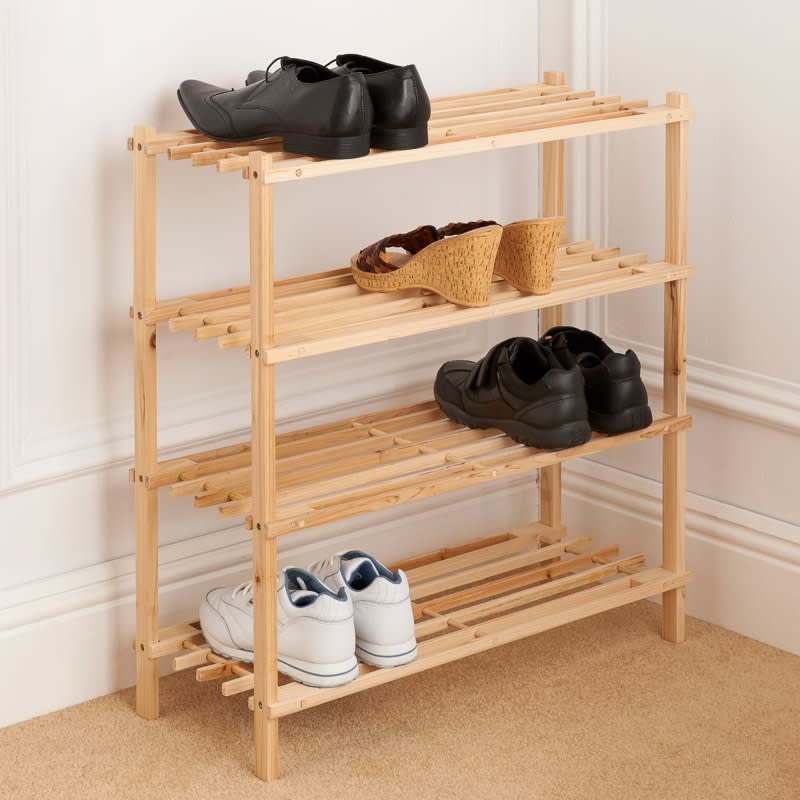
Tiered shoe racks are a classic choice for maximizing vertical space. They typically feature multiple shelves or tiers that provide ample storage for a wide array of footwear. The tiered design allows for easy access and visibility, making it simple to locate the desired pair.

Sliding Shoe Racks

For those who prefer a more compact solution, sliding shoe racks are an excellent option. These racks feature drawers or sliding compartments that reveal the footwear when pulled out, maximizing space efficiency. Their sleek and modern design complements contemporary interiors.

Wall-Mounted Shoe Racks

Wall-mounted shoe racks are perfect for smaller spaces or those seeking a clutter-free aesthetic. They utilize vertical space effectively, keeping shoes off the floor and providing a clean, minimalist look. These racks are available in various styles, from simple shelves to decorative racks with intricate designs.

Over-the-Door Shoe Racks

Over-the-door shoe racks offer a convenient and space-saving solution, particularly for entryways or closets. They hang over the door, maximizing space without taking up valuable floor area. These racks are typically lightweight and easy to install, making them a practical choice for various settings.

Factors to Consider When Choosing a Wooden Shoe Rack

When selecting a wooden shoe rack, several factors deserve careful consideration:

Size and Capacity

Determine the size and capacity required based on the volume of footwear to be stored. Consider the available space and the number of shoes you need to accommodate.

Style and Design

Choose a shoe rack that complements the existing decor and overall aesthetic of the space. From traditional to contemporary, the style of the shoe rack should harmonize with the surrounding furniture and furnishings.

Material and Finish

Opt for wood types and finishes that align with your preferences and the room's ambiance. Consider factors like durability, color, and the desired level of sheen.

Budget

Wooden shoe racks come in a wide range of price points, so set a budget beforehand to guide your selection. Factor in the desired features, quality of materials, and the brand reputation.

Maintaining Your Wooden Shoe Rack

To ensure the longevity and beauty of your wooden shoe rack, proper maintenance is essential:

Dusting and Cleaning

Regular dusting and cleaning will help prevent the accumulation of dirt and grime. Use a soft cloth or a dust brush to remove dust and debris gently.

Polishing and Sealing

Periodically polish the wood to enhance its shine and protect it from scratches. Use a wood polish suitable for the type of wood and finish.

Protecting from Moisture

Wood is susceptible to moisture damage, so avoid placing the shoe rack in areas prone to excessive humidity. If any spills occur, wipe them up promptly to prevent staining.

Wooden Shoe Racks: Enhancing Both Function and Style

In conclusion, wooden shoe racks transcend mere storage solutions, becoming integral elements of stylish and organized homes. Their durability, aesthetic versatility, and eco-consciousness make them a compelling choice for those seeking both functionality and visual appeal. By considering the various types, factors to consider, and maintenance tips, homeowners can select the perfect wooden shoe rack to enhance the beauty and organization of their living spaces.

Rustic Cutting Boards for Farmhouse Decor Lovers

Rustic Cutting Boards for Farmhouse Decor Lovers

Rustic Cutting Boards: The Heart of Farmhouse Decor

Hey there, fellow farmhouse decor enthusiasts! You know that feeling â€" walking into a space that's warm, inviting, and makes you feel right at home. That's the magic of farmhouse style, and what better way to bring that cozy vibe to your kitchen than with rustic cutting boards? They're more than just practical tools, they're decorative accents that speak to the heart of farmhouse charm.

Think about it: natural wood, a touch of imperfection, and a hint of vintage appeal. That's what makes a rustic cutting board so irresistible. And trust me, the options are as diverse as your culinary adventures. From classic butcher block to unique reclaimed wood creations, there's a rustic cutting board out there for every taste and kitchen style.

So, grab a cup of coffee, settle in, and let's dive into the world of rustic cutting boards â€" where functionality meets farmhouse elegance. We'll explore everything from choosing the perfect board to styling it like a pro, and even answering those burning questions you might have. Let's get started!

Why Rustic Cutting Boards are a Must-Have

You might be thinking, "I already have cutting boards, what's the big deal with rustic ones?" Well, let me tell you, rustic cutting boards bring a whole new dimension to your kitchen. They're not just about chopping veggies; they're about creating a visual story.

More Than Meets the Eye

Let's face it, those sleek, plastic cutting boards are functional, but they lack character. Rustic cutting boards, on the other hand, are like works of art. They tell a story of craftsmanship, of wood that's weathered time and still holds its own. The knots, grain patterns, and even the occasional imperfection add to their charm, making them conversation starters in your kitchen.

Durability That Lasts

Don't let the rustic charm fool you, these boards are built to last. Made from solid hardwood, they can withstand the wear and tear of regular use. Just imagine handing down your beloved cutting board to future generations â€" now that's a legacy! And with proper care, your rustic cutting board will be a cherished heirloom for years to come.

A Touch of Farmhouse Flair

Let's talk about the elephant in the room â€" farmhouse style. Rustic cutting boards are the epitome of farmhouse decor. They embody that cozy, lived-in feel that's so endearing. Whether you're using them on the counter, propped against the wall, or as a centerpiece for your kitchen island, they instantly elevate the look of your space.

Choosing the Perfect Rustic Cutting Board

Okay, you're sold on the charm of rustic cutting boards, now comes the fun part â€" picking the one that's perfect for you. But with so many options, where do you even begin?

Wood Matters

First, think about the wood. Here are some popular choices:

  • Maple: Known for its durability and light color, maple is a classic choice for cutting boards. It develops a beautiful patina over time.
  • Cherry: With its warm, reddish hues, cherry adds a touch of elegance to your kitchen. It's also known for its resistance to scratches.
  • Walnut: Looking for something with a dramatic grain pattern? Walnut is your go-to. It's known for its rich brown tones and unique character.
  • Reclaimed Wood: For a truly rustic vibe, choose a cutting board made from reclaimed wood. These boards often have a history, with each knot and groove telling a story.

Size and Shape

Consider your needs. Do you need a large board for carving roasts, or a smaller one for chopping veggies? There are cutting boards in all shapes and sizes, so choose one that fits your kitchen and your culinary style. If you're a frequent baker, a rectangular board might be your best bet. For those who love carving, a round or oval board might be a better fit.

Features to Look For

Here are some features to consider:

  • Juice Groove: This handy feature keeps your counter clean by catching any juices that might drip from your food.
  • Handle: A handle makes it easier to move your cutting board around the kitchen, especially when it's full of ingredients.
  • Finish: Look for a cutting board that has been treated with food-safe oil or wax to protect the wood and prevent it from drying out.

Styling Your Rustic Cutting Board

You've chosen the perfect rustic cutting board, now it's time to give it a starring role in your kitchen. Here are some tips to style it like a pro:

Beyond the Counter

Don't limit your cutting board to the counter! Prop it up against the wall as a decorative accent, or use it as a centerpiece on your kitchen island. You can even use it as a serving board for charcuterie boards or cheese plates.

A Pop of Color

While rustic cutting boards are beautiful in their natural state, adding a pop of color can really make them shine. Place a bowl of fruit, a vase of flowers, or a vintage jar of spices on top of your cutting board for a touch of visual interest.

Accessorize

Embrace the farmhouse aesthetic with accessories. Pair your rustic cutting board with a vintage-style bread basket, a rustic serving tray, or a set of handcrafted ceramic bowls.

Caring for Your Rustic Cutting Board

Just like any precious heirloom, your rustic cutting board needs a little TLC. Here's how to keep it looking its best:

Hand Wash Only

Always hand wash your rustic cutting board with warm, soapy water. Avoid using the dishwasher, as the heat and harsh detergents can damage the wood. Dry it thoroughly with a clean cloth.

Oil It Regularly

To keep your cutting board from drying out and cracking, oil it with mineral oil or a food-safe wood conditioner every few months. Simply rub the oil into the surface, wipe off any excess, and let it dry completely.

Don't Forget the Cutting Edge

While rustic cutting boards are durable, it's still important to use a sharp knife to prevent dulling and damage. Avoid using metal utensils or abrasive cleaners, which can scratch the surface.

Commonly Asked Questions

Here are some common questions you might have about rustic cutting boards:

Are rustic cutting boards safe to use?

Absolutely! When properly cared for, rustic cutting boards are perfectly safe for food preparation. Just make sure you choose a board that's been treated with food-safe oil or wax.

How do I clean a cutting board that has been stained?

For light stains, a paste of baking soda and water can work wonders. For deeper stains, try rubbing a slice of lemon over the surface. If the stain persists, a gentle wood cleaner might be necessary.

Can I use my rustic cutting board for serving?

Absolutely! Rustic cutting boards are perfect for serving charcuterie boards, cheese plates, and other appetizers. Just make sure you've cleaned it thoroughly before serving.

So there you have it, a complete guide to rustic cutting boards and how they can bring a touch of farmhouse charm to your kitchen. Ready to elevate your space with a touch of rustic elegance? Go on, find the perfect cutting board for your culinary adventures!

Tuesday, November 19, 2024

Festive Wood Crafts for Christmas Yard Decor

Festive Wood Crafts for Christmas Yard Decor

Festive Wood Crafts for Christmas Yard Decor

Transform your yard into a winter wonderland with charming wood crafts. Embrace the rustic charm of wood and let your creativity flow with these DIY projects, perfect for adding a touch of whimsy and warmth to your holiday decor.

Wood Reindeer

Bring the magic of the North Pole to your yard with a majestic wooden reindeer. Gather your tools, including a saw, drill, and sandpaper. Using wood planks or plywood, cut out the reindeer's body, head, and antlers. Assemble the pieces using wood glue and screws, and add detail with a jigsaw for the reindeer's face and hooves. Paint your reindeer in classic red, white, or brown, or embrace a whimsical look with bright colors and glitter. Once dry, you can even add a festive red nose!

Wooden Christmas Trees

Create a whimsical forest of Christmas trees using various wood scraps. Choose wood in varying thicknesses to create trees of different sizes. You can use salvaged wood from pallets or even branches from your yard. Cut the wood into triangular shapes, then sand the edges for a smooth finish. Paint or stain the trees in your favorite holiday colors. Add decorative details like glitter, pine cones, or even tiny lights for a festive touch. You can also drill holes in the bottom and attach a rope for hanging on your porch or fence.

Wooden Snowflake Ornaments

Embrace the elegance of winter with wood snowflakes. You can make large, eye-catching snowflakes for your yard or smaller ones to adorn your porch. Simply cut out snowflake shapes from plywood using a jigsaw. You can use stencils or create your own designs for a personalized touch. Add detail by carving intricate designs into the snowflake. Sand the edges and paint them in classic white, silver, or even add a touch of color for a festive look.

Wooden Christmas Village

Create a miniature winter wonderland with a wooden Christmas village. Use plywood, scrap wood, or even old picture frames to build small houses, shops, and churches. Add decorative elements like chimneys, windows, and doors using wood glue and craft sticks. Paint the houses in various shades of white, brown, and red. Add details with miniature Christmas trees, figurines, and string lights to create a truly festive scene. Place the village on your front porch or lawn, and watch it come to life with twinkling lights.

Tips for Success

Make your wood crafts durable and long-lasting with these tips:

  • Choose weather-resistant wood. Cedar, redwood, and pressure-treated lumber are excellent choices for outdoor projects.
  • Use sealant. Apply a waterproof sealant to protect your wood from the elements and prolong its life.
  • Securely attach your crafts. Use heavy-duty hooks or stakes to ensure your wood crafts withstand the wind and weather.

Get creative and personalize your wood crafts with paint, glitter, and other embellishments. Enjoy the process and add a touch of rustic charm to your Christmas yard decor. These wood crafts are sure to be a hit with neighbors and passersby, spreading holiday cheer to all who see them.

Monday, November 18, 2024

Beginner-Friendly Free Woodworking Plans to Craft Beautiful Wooden Pieces

Beginner-Friendly Free Woodworking Plans to Craft Beautiful Wooden Pieces

Beginner-Friendly Free Woodworking Plans to Craft Beautiful Wooden Pieces

Hey there, woodworking newbie! Are you itching to get your hands dirty and create some beautiful, functional pieces of art? You've come to the right place! Woodworking can be a rewarding and enjoyable hobby, and you don't need a fancy workshop or a million bucks to get started. With the right free woodworking plans and a little bit of patience, you can craft stunning wooden creations that you'll be proud to display in your home or give as gifts.

Why Choose Free Woodworking Plans?

Let's face it, buying woodworking plans can get pricey. But why spend money when you can access a treasure trove of free plans online? There are tons of talented woodworkers sharing their expertise for free, offering detailed plans, step-by-step instructions, and even helpful tips and tricks. Using free plans allows you to explore different woodworking styles and projects without breaking the bank. It's a fantastic way to learn, experiment, and find your woodworking niche.

Where to Find Free Woodworking Plans

Now, you might be wondering, "Where do I even begin?" Don't worry, I've got you covered! Here are some great places to discover free woodworking plans that are perfect for beginners:

Woodworking Websites and Blogs

The internet is a goldmine of free woodworking resources! Here are some popular websites and blogs you should check out:

  • Ana White: Ana White is a legend in the woodworking world, offering a vast library of free plans for furniture, home decor, and more. Her plans are well-organized, easy to follow, and often include detailed cut lists and step-by-step instructions. Check out her website: www.ana-white.com
  • The Wood Whisperer: Hosted by talented woodworker Marc Spagnuolo, The Wood Whisperer blog features tons of free woodworking plans, tutorials, and woodworking tips. You'll find projects for all skill levels, from beginner to advanced. Check out his website: www.thewoodwhisperer.com
  • Popular Mechanics: This well-known magazine also has a website with a great selection of free woodworking plans. Their projects range from simple to more challenging, perfect for anyone wanting to learn new woodworking skills. Check out their website: www.popularmechanics.com
  • Instructables: This website is a hub for DIY projects and tutorials, including woodworking. You'll find a wide variety of free woodworking plans, from basic to advanced, contributed by users from all over the world. Check out their website: www.instructables.com

Online Woodworking Communities

Joining online woodworking communities is a fantastic way to connect with other woodworkers, ask questions, and get inspired. Many of these communities also have forums where members share free woodworking plans. Here are a few popular online communities:

  • Woodworking Talk: This forum is a great place to ask questions, share your projects, and find free woodworking plans. It's a friendly community of woodworkers from all over the world. Check out their website: www.woodworkingtalk.com
  • Reddit: Check out subreddits like /r/woodworking, /r/DIY, and /r/woodworkingprojects for free plans, project ideas, and woodworking discussions.
  • Facebook Groups: Search Facebook for woodworking groups in your area or that share your interests. Many of these groups are dedicated to sharing free plans and tips.

Local Libraries and Hardware Stores

Don't underestimate the power of your local library! Many libraries have sections dedicated to woodworking, often with a selection of free plans. You can also check out local hardware stores, as some of them might offer free woodworking plans for their customers.

Beginner-Friendly Woodworking Projects to Get You Started

Okay, you've found some free woodworking plans, now what? Here are a few beginner-friendly projects that are perfect for dipping your toes into the world of woodworking:

Simple Wooden Shelves

Shelves are a great beginner project because they're relatively easy to build and you can customize them to fit your space. You can find free plans for simple floating shelves, wall-mounted shelves, or even corner shelves.

Rustic Wooden Sign

A wooden sign is a great way to add a personal touch to your home or garden. You can create a simple welcome sign, a farmhouse-style sign, or even a custom sign with your family name. You can easily find free plans online for various styles and sizes.

Wooden Cutting Board

A cutting board is a useful and practical project that's perfect for beginners. You can find free plans for simple rectangular cutting boards, round cutting boards, or even cutting boards with handles. You'll be able to use your new creation in the kitchen right away!

Small Wooden Birdhouse

Building a birdhouse is a fun and rewarding project that's great for beginners. You can find free plans for simple birdhouses, elaborate birdhouses, or even birdhouses with multiple compartments. It's a wonderful way to attract feathered friends to your yard.

Wooden Box or Storage Crate

Wooden boxes are versatile and can be used for storing just about anything! You can find free plans for simple boxes, decorative boxes, or even boxes with lids. It's a great way to organize your belongings and add a touch of rustic charm to your space.

Tips for Beginner Woodworkers

You've got your plans, now let's make sure you're set up for success! Here are some essential tips for beginner woodworkers:

  • Start with Simple Projects: Don't bite off more than you can chew! Start with simple projects that will build your confidence and woodworking skills.
  • Choose the Right Wood: Different woods have different characteristics and properties. For beginners, softwoods like pine or fir are generally easier to work with.
  • Invest in Quality Tools: You don't need to spend a fortune, but investing in a few essential tools will make your woodworking experience much smoother.
  • Safety First: Always wear safety glasses and ear protection when using power tools.
  • Don't Be Afraid to Ask for Help: Don't hesitate to ask for help from experienced woodworkers or online woodworking communities if you get stuck.
  • Practice Makes Perfect: The more you practice, the better you'll become at woodworking!

Commonly Asked Questions

What tools do I need for woodworking?

To get started with basic woodworking projects, you'll need some essential tools like a tape measure, pencil, saw (hand or power), hammer, screwdriver, drill, sandpaper, and wood glue.

Do I need a workshop for woodworking?

You don't need a fancy workshop to get started! You can work in your garage, basement, or even on a workbench in your backyard. Just make sure you have a safe and well-lit space.

How do I choose the right wood for my project?

Consider the type of project you're building and its intended use. For beginner projects, softwoods like pine or fir are usually good choices because they're easier to work with. If you need a more durable wood, hardwood like oak or maple would be a better option.

Where can I find woodworking classes or workshops?

Your local community center, hardware store, or woodworking club might offer woodworking classes or workshops. You can also find online woodworking courses and tutorials.

What if I make a mistake?

Don't worry about making mistakes! Every woodworker makes mistakes. It's part of the learning process. Just try to learn from your mistakes and move on.

Happy woodworking, my friend! Now get out there and create something beautiful!

Wednesday, November 13, 2024

Wooden Candle Holders: Craft a Set for a Stunning Centerpiece

Wooden Candle Holders: Craft a Set for a Stunning Centerpiece

Wooden Candle Holders: Craft a Set for a Stunning Centerpiece

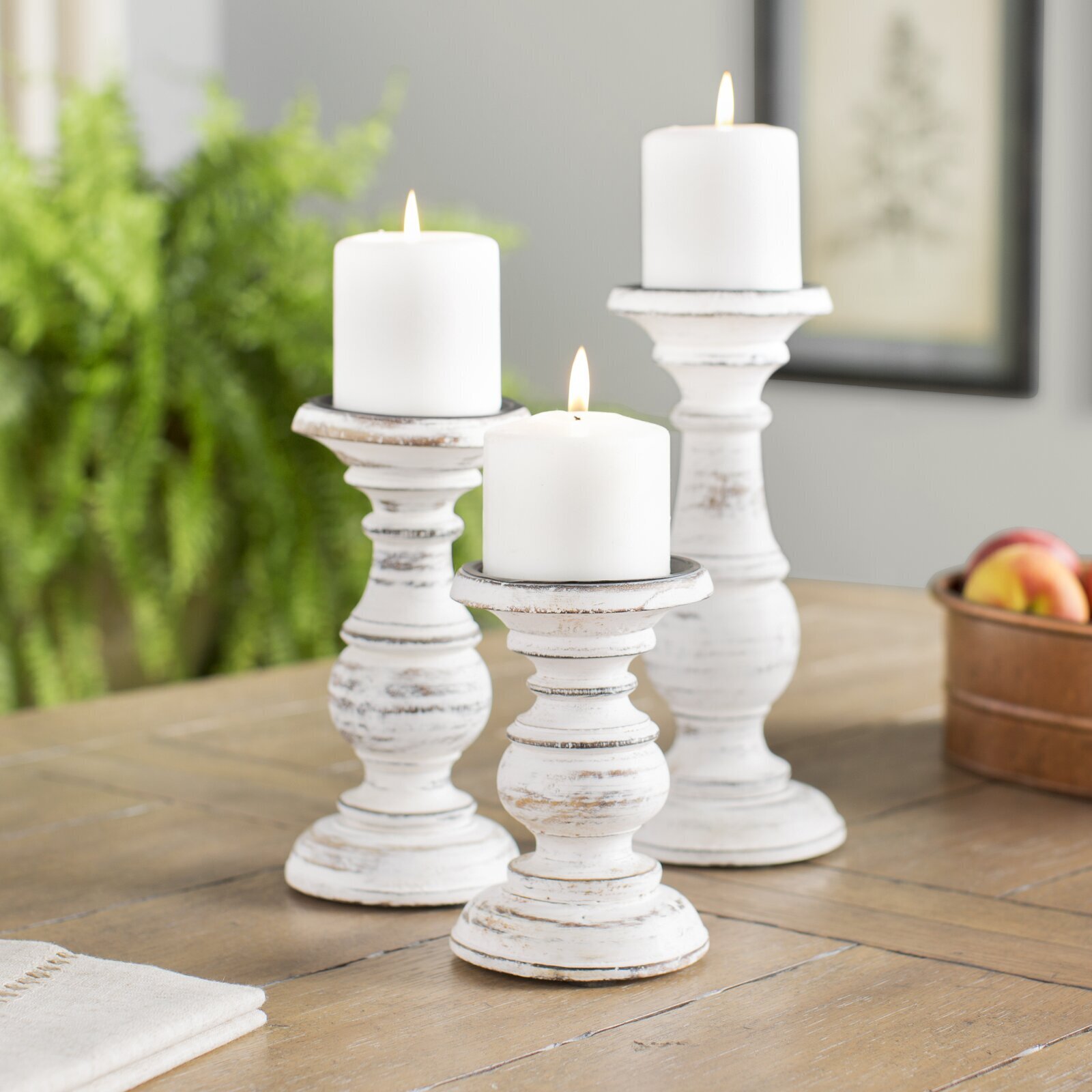
Elevate your home decor with a captivating centerpiece that exudes warmth and elegance. Wooden candle holders are a timeless and versatile choice, offering endless possibilities for customization and a touch of rustic charm. This article will guide you through crafting a set of wooden candle holders that will transform your dining table, coffee table, or any other space into a focal point of sophistication.

Choosing the Right Wood

The first step in your candle holder creation journey is to select the perfect wood. Consider the aesthetic you're aiming for and the size and shape of your desired holders. Popular choices include:

  • Reclaimed wood: Adds a unique character and eco-friendly touch, bringing a vintage feel to your centerpiece.
  • Pine: Soft and affordable, perfect for beginners and intricate designs.
  • Maple: A strong and durable option with a warm, honey-like color.
  • Walnut: Rich in color and grain patterns, lending a luxurious touch.

Designing Your Candle Holders

Now it's time to unleash your creativity! Sketch out your desired candle holder designs. Think about the shape, height, and number of candles you'll be using. Consider incorporating:

  • Geometric shapes: Cubes, pyramids, or cylinders add a modern touch.
  • Organic shapes: Round, curved, or irregular shapes for a more rustic feel.
  • Textured surfaces: Use carving tools or sandpaper to create interesting patterns.

Building the Base

Start with a sturdy base for your candle holders. Depending on your design, you can use a simple wooden block or create a more elaborate platform with multiple layers. Ensure the base is large enough to support the candles and any additional decorations you plan to add.

Cutting and Shaping the Holders

Using a saw, carefully cut the wood to your desired dimensions for each holder. Sand the edges smoothly to prevent splinters and enhance the finish. You can create different heights and shapes to add visual interest.

Finishing Touches

After constructing your candle holders, it's time to personalize them with finishing touches.

Staining or Painting

Enhance the natural beauty of the wood by applying a stain or paint. Choose a color that complements your home décor and personal style. You can achieve a rustic look with a dark stain or create a contemporary feel with bright colors.

Adding Decorations

Embellish your candle holders with decorative elements that reflect your taste.

  • Carving: Add intricate details or patterns using carving tools.
  • Burned designs: Create a unique look with wood-burning techniques.
  • Metal accents: Incorporate metal accents, such as brass or copper, for a touch of elegance.

Finishing and Safety

Before using your new candle holders, ensure they are thoroughly dried and safe. Apply a sealant or varnish to protect the wood and enhance its durability. Always use candles that fit securely within the holders and place them on a stable surface, away from flammable materials.

A Stunning Centerpiece

Congratulations! You have created a beautiful set of wooden candle holders that will transform your home decor. Arrange them on a table or mantel, adding candles and any desired decorative accents, such as flowers, greenery, or crystals. Embrace the warmth and ambiance they create and enjoy the sense of accomplishment that comes from crafting a personalized masterpiece.

Tuesday, November 12, 2024

Free PDF Coffee Table Plans: DIY and Building Guide

Free PDF Coffee Table Plans: DIY and Building Guide

Free PDF Coffee Table Plans: DIY and Building Guide

Building a coffee table from scratch is a rewarding project that allows you to personalize your living space with a piece that reflects your unique style and taste. With the right plans and a little effort, anyone can create a stunning and functional coffee table to complement their home decor.

This guide provides a comprehensive set of free PDF coffee table plans, accompanied by a detailed building guide to help you every step of the way. Whether you're a seasoned DIY enthusiast or a beginner, these plans will empower you to construct a beautiful and durable coffee table that will be the envy of your friends and family.

Choosing the Right Coffee Table Plan

The first step in your coffee table building journey is selecting the perfect plan that aligns with your vision and skill level. Consider the following factors when making your choice:

Style and Design

  • Modern: Sleek lines, minimal ornamentation, and often made with metal or glass.
  • Rustic: Natural wood finishes, distressed surfaces, and often incorporates reclaimed materials.
  • Mid-Century Modern: Features iconic designs with clean lines, tapered legs, and often uses materials like teak or walnut.
  • Traditional: Classic designs with intricate details, carved legs, and often made with hardwoods like mahogany or cherry.

Size and Dimensions

Measure your space carefully to determine the ideal size and dimensions for your coffee table. Consider the size of your sofa, the flow of traffic in the room, and the amount of storage space you require.

Materials

The choice of materials will impact the style, durability, and cost of your coffee table. Common materials include:

  • Wood: Pine, oak, maple, walnut, cherry.
  • Metal: Steel, iron, aluminum.
  • Glass: Tempered glass for tabletops.
  • Stone: Granite, marble, slate.

Skill Level

Select plans that are appropriate for your experience level. Beginner-friendly plans may feature simple designs and straightforward instructions, while more advanced plans may require specific woodworking skills and tools.

Free PDF Coffee Table Plans

Here are some reputable sources for free PDF coffee table plans that offer a variety of styles and designs:

  • Ana White: Known for her detailed and beginner-friendly woodworking plans, including numerous coffee table options.
  • Shanty-2-Chic: Offers a diverse collection of free plans, featuring both modern and rustic coffee table designs.
  • The Woodworking Store: Provides a wide range of plans for various woodworking projects, including coffee tables with different styles and dimensions.
  • Instructables: A platform for sharing DIY projects, with a vast library of free coffee table plans contributed by fellow enthusiasts.

Essential Tools and Materials

To build your coffee table, you will need a basic set of woodworking tools and materials. These may vary depending on the specific plan you choose, but here's a general list:

Tools

  • Measuring Tape: Essential for accurate measurements.
  • Saw: Circular saw, table saw, or jigsaw for cutting wood.
  • Drill: For drilling holes for screws, dowels, and hardware.
  • Screwdriver: For assembling and securing components.
  • Sandpaper: For smoothing surfaces and edges.
  • Clamps: For holding pieces together during assembly.
  • Level: Ensuring your tabletop is perfectly level.
  • Safety Glasses and Ear Protection: For personal safety while working.

Materials

  • Wood: As specified in your plan.
  • Screws and Nails: To secure pieces together.
  • Wood Glue: For strong and durable bonds.
  • Finish: Stain, paint, varnish, or oil to protect and enhance the wood.
  • Hardware: Casters, drawer slides, hinges, depending on the design.

Building Guide: Step-by-Step Instructions

Follow these general steps to build your coffee table from your chosen plan:

1. Review the Plans Carefully

Before you begin, familiarize yourself thoroughly with the plans. Read the instructions, study the diagrams, and make sure you understand the steps involved.

2. Prepare the Materials

Cut your wood to the specified dimensions using your saw. Be sure to double-check your measurements and make accurate cuts.

3. Sanding and Finishing

Smooth out any rough edges and imperfections with sandpaper. Apply a coat of finish, such as stain, paint, or varnish, to protect and enhance the wood.

4. Assemble the Frame

Join the pieces of your coffee table frame together using screws, nails, or dowels. Ensure the frame is square and stable.

5. Attach the Top

Secure the tabletop to the frame, ensuring it's level and aligned with the edges. You may need to use screws, brackets, or glue depending on the plan.

6. Install Hardware

If your design includes hardware, such as casters, drawer slides, or hinges, install them now, following the instructions provided in the plan.

7. Final Touches

Once everything is assembled, apply a final coat of finish to protect the table. Clean any excess glue or dust. Enjoy your newly built coffee table!

Tips for Success

  • Measure Twice, Cut Once: Accuracy is crucial in woodworking. Double-check your measurements before making any cuts.
  • Use Quality Materials: Invest in high-quality wood and hardware for a durable and long-lasting coffee table.
  • Take Your Time: Don't rush the process. Careful and deliberate work will result in a better outcome.
  • Don't Be Afraid to Ask for Help: If you encounter any challenges, don't hesitate to reach out to experienced woodworkers or online forums for assistance.

Conclusion

Building a coffee table from scratch is a rewarding and fulfilling project. With the right free PDF plans and a little effort, you can create a beautiful and functional piece of furniture that will enhance your living space for years to come. Embrace the process, learn new skills, and enjoy the satisfaction of crafting something with your own hands.

Squirrel Den Box DIY Guide with Free PDF Plans

Squirrel Den Box DIY Guide with Free PDF Plans

Squirrel Den Box DIY Guide with Free PDF Plans

Are you looking to provide a safe and cozy haven for the playful squirrels in your backyard? Building a squirrel den box is a rewarding project that can enhance the wildlife in your garden and provide you with endless hours of entertainment watching these adorable creatures. This comprehensive guide will walk you through the process of constructing a squirrel den box, complete with free PDF plans and detailed instructions.

Benefits of Providing a Squirrel Den Box

Aside from the joy of observing these charming creatures, providing a den box offers several benefits for squirrels and your garden:

  • Safe Shelter: Den boxes offer protection from predators, harsh weather, and extreme temperatures.
  • Nesting and Raising Young: Squirrels use den boxes for nesting, raising their young, and storing food.
  • Reduced Property Damage: By providing a safe and comfortable den, you can reduce the likelihood of squirrels causing damage to your home or garden.
  • Enhanced Biodiversity: A squirrel den box contributes to a healthy and thriving ecosystem, attracting other wildlife and benefiting your garden's biodiversity.

Materials Needed

Before embarking on your squirrel den box construction journey, gather the following materials:

  • Wood: Choose durable, weather-resistant wood like cedar, redwood, or pressure-treated lumber. Avoid using plywood, as it can deteriorate quickly.
  • Screws: Use galvanized or stainless steel screws to prevent rusting.
  • Wood Glue: Use a strong, weather-resistant wood glue.
  • Measuring Tape and Pencil: For precise measurements and marking.
  • Saw: A circular saw or jigsaw is recommended for cutting the wood.
  • Drill: For pre-drilling holes before screwing in the screws.
  • Sandpaper: To smooth out the edges and create a polished finish.
  • Paint or Stain (Optional): To provide a weatherproof finish and enhance the appearance of the den box.

Free PDF Plans

To ensure a sturdy and functional squirrel den box, it is highly recommended to use a detailed plan. You can download free squirrel den box plans from various online resources, such as:

  • Wildlife Habitat Solutions: [Insert Link]
  • The National Wildlife Federation: [Insert Link]
  • DIY Network: [Insert Link]

Step-by-Step Construction Guide

Follow these detailed steps to build a squirrel den box:

Step 1: Cutting the Wood

Using your plans as a guide, cut the wood pieces to the specified dimensions. Ensure accurate measurements and clean cuts for a well-constructed den box.

Step 2: Assembling the Base and Sides

Assemble the base of the den box by joining the four side pieces. Secure them with wood glue and screws. If your plans include a bottom, attach it to the base with screws and glue. Ensure the base is level and sturdy before proceeding.

Step 3: Installing the Roof

Create a sloping roof to prevent water accumulation. Use a saw to cut the roof pieces to the desired angle. Attach the roof to the top of the den box with screws and glue. Make sure the roof overhangs the sides for added protection from the elements.

Step 4: Adding the Entry Hole

Use a saw or drill to cut a circular or rectangular entry hole on one side of the den box. The size of the hole should be suitable for squirrels to easily enter and exit. A 3-4 inch hole is generally recommended.

Step 5: Creating Ventilation

Adequate ventilation is crucial for a healthy and comfortable den box. Drill a few small holes on the opposite side of the entry hole to allow air circulation. You can also create small ventilation slots along the top or bottom of the box.

Step 6: Finishing Touches

Sand down any rough edges and smooth out the surface for a polished finish. Apply paint or stain to protect the wood from weather and enhance its appearance. You can choose colors and designs that blend in with your garden or stand out as a whimsical addition.

Placement and Maintenance

Once your squirrel den box is complete, find a suitable location for it in your backyard. Here are some tips for optimal placement:

  • Secure Location: Choose a location that is safe from predators and human disturbances.
  • Tree Coverage: Mount the den box on a sturdy tree trunk, 8-12 feet above the ground.
  • Direct Sunlight: Avoid placing the den box in direct sunlight, as it can get extremely hot. Choose a location that receives some shade.
  • Water Source: Make sure a water source is available nearby for the squirrels.

To ensure your den box remains hospitable, regular maintenance is essential. Check the den box periodically for signs of damage or deterioration, and repair or replace any necessary parts. You can also add a small layer of nesting material, such as shredded leaves or pine needles, inside the box.

Conclusion

Building a squirrel den box is a fun and rewarding project that encourages wildlife in your backyard. By providing a safe and comfortable haven, you can contribute to the well-being of these playful creatures while enjoying the pleasure of observing them in their natural environment. Follow these steps, use the free PDF plans, and watch as your squirrel den box becomes a lively hub for adorable squirrels in your garden.

Download Squirrel Box Plans in PDF for Free

Download Squirrel Box Plans in PDF for Free

Download Squirrel Box Plans in PDF for Free: Build Your Own Squirrel Haven!

Hey there, nature enthusiast! Are you tired of those pesky squirrels raiding your bird feeders? Or maybe you just want to give these little critters a safe and cozy home in your backyard. Well, you've come to the right place! In this article, we'll guide you through building your very own squirrel box, a delightful project that will bring you closer to nature and provide a haven for these adorable creatures. We'll share free PDF plans and all the tips and tricks you'll need to build a squirrel box that's both functional and aesthetically pleasing.

Why Build a Squirrel Box?

Beyond the satisfaction of creating something with your own hands, building a squirrel box offers a ton of benefits. Here are a few reasons why you might want to consider adding one to your backyard:

  • Provide a Safe and Secure Home: Squirrels are constantly on the lookout for predators, and a squirrel box gives them a safe haven to raise their young and rest peacefully. It's like building them a miniature fortress!
  • Encourage Backyard Biodiversity: A squirrel box can attract more squirrels to your yard, enriching the local ecosystem. This means more fun watching them scamper around, and perhaps even some extra pollination for your garden!
  • Reduce Bird Feeder Conflicts: If squirrels are driving you crazy at your bird feeder, a squirrel box might just be the solution! Providing them with a separate feeding area can help minimize the competition and keep those feathered friends happy.
  • Enjoy a Rewarding DIY Project: Building a squirrel box is a relatively simple project, even for beginner DIYers. It's a great way to spend a weekend afternoon outside, get creative, and feel a sense of accomplishment.

Download Your Free Squirrel Box Plans

We're excited to share some amazing squirrel box plans with you, completely free of charge! These plans are designed to make building your squirrel box a breeze. You'll find detailed instructions, diagrams, and even material lists to guide you through the process.

Here are some excellent resources for free squirrel box plans:

  • [Link to free plan website #1]: This website offers a range of squirrel box plans, catering to different levels of experience and design preferences. You'll find plans for traditional squirrel boxes, as well as more whimsical and creative options.
  • [Link to free plan website #2]: This website focuses on building birdhouses and other wildlife habitats, including squirrel boxes. They have a nice selection of plans for different types of squirrels, taking into account their specific needs.
  • [Link to free plan website #3]: This website offers free plans for a variety of DIY projects, including squirrel boxes. Their plans are well-organized and easy to follow, making them perfect for beginners.

Once you've chosen your favorite plan, download it and print it out. You'll be ready to get started building your squirrel box in no time!

Building Your Squirrel Box: A Step-by-Step Guide

Now comes the fun part - building your very own squirrel haven! Don't worry, even if you've never worked with wood before, this project is manageable. We'll break down the process into easy steps, making sure you have all the tools and information you need to succeed.

1. Gather Your Materials

You'll need a few basic woodworking tools and supplies to build your squirrel box. The exact materials will vary depending on the plan you've chosen, but here's a general list:

  • Wood: Cedar, redwood, or pine are excellent choices for their durability and resistance to rot. You can find pre-cut boards or cut your own to the specified dimensions.
  • Screws: Use stainless steel screws for longevity.
  • Wood glue: For extra strength and a secure bond.
  • Measuring tape: Accurate measurements are crucial for a successful build.
  • Saw: A circular saw or hand saw is ideal for cutting the wood.
  • Drill: For drilling pilot holes before screwing.
  • Screwdriver: To attach the pieces together.
  • Sandpaper: For smoothing out any rough edges and giving your box a polished finish.

2. Cut the Wood

Carefully follow the dimensions provided in your chosen plan when cutting the wood. Use your saw to create precise cuts for each piece, ensuring they fit together perfectly. Measure twice, cut once! This will save you time and frustration down the road.

3. Assemble the Box

Now, it's time to put your squirrel box together! Start by attaching the sides and bottom of the box, using screws and wood glue for a strong and secure joint. Remember to drill pilot holes before screwing to prevent the wood from splitting.

4. Install the Roof

The roof of your squirrel box should be slanted to prevent water from accumulating and rotting the wood. Attach the roof using screws and glue, ensuring a tight and weather-resistant seal.

5. Add the Entrance Hole

Cut a circular entrance hole in the front of the box, using your saw or a drill bit. The size of the hole should be appropriate for the type of squirrel you're hoping to attract. You might need to adjust this based on the specific squirrel species in your area.

6. Sand and Finish

Once your squirrel box is assembled, take some time to sand down any rough edges and give it a smooth finish. This will make it more aesthetically pleasing and prevent the squirrels from getting splinters. You can choose to paint your box in a natural color or add a decorative touch, but always use non-toxic paints to protect the squirrels.

7. Placement is Key

The location of your squirrel box is crucial for its success. Choose a spot that offers:

  • Privacy: Place the box in a secluded area, shielded from direct sunlight and excessive wind.
  • Protection: Ensure the box is positioned out of reach of predators like cats or large birds.
  • Easy Access: Make sure the box is accessible to the squirrels, with a clear path for them to enter and exit.

You can consider mounting your squirrel box to a tree, post, or even a wall, just be sure to secure it properly.

Maintaining Your Squirrel Box

Once you've built your squirrel box and placed it in the perfect spot, don't forget about regular maintenance. This will ensure your squirrel home remains safe, comfortable, and attractive to its furry residents.

  • Clean Regularly: Inspect the box at least once a year for any signs of damage, debris, or nests. Clean out the box thoroughly using a brush or vacuum cleaner, ensuring it's ready for the next season.
  • Repair and Replace: If you notice any damage or deterioration, repair or replace the affected parts promptly. This will help maintain the integrity of the box and protect the squirrels.
  • Provide a Safe Food Source: Consider setting up a separate feeding station for squirrels, away from your bird feeder, to help reduce competition and attract them to your squirrel box. You can offer them nuts, seeds, and fruits as treats.

Enjoy Your Squirrel Haven

Congratulations! You've now created a cozy and welcoming home for your neighborhood squirrels. Watch as they explore their new haven, build nests, and raise their young. Remember, a squirrel box is a testament to your love for nature and your desire to support local wildlife. You've built more than just a box; you've built a connection to the natural world!

Squirrel Den Box DIY Project for Backyard Wildlife

Squirrel Den Box DIY Project for Backyard Wildlife

Building a Squirrel Den Box for Your Backyard Wildlife

Create a welcoming haven for the charming and energetic squirrels in your backyard with a DIY squirrel den box. This project is not only a fun and rewarding experience but also a great way to contribute to the well-being of local wildlife. A squirrel den box provides a safe and secure shelter for squirrels, especially during harsh weather conditions and nesting season. By building your own, you can customize it to meet the needs of your local squirrels and create a unique piece for your backyard.

Materials Needed

Before you start building, gather the necessary materials. Here's what you'll need:

  • One piece of untreated, weather-resistant plywood or cedar wood (12" x 12")
  • One piece of untreated, weather-resistant plywood or cedar wood (12" x 16")
  • Four pieces of 1x2 lumber (16" long)
  • Eight screws (2 1/2" long)
  • Wood glue
  • Saw (circular saw, jigsaw, or hand saw)
  • Drill
  • Screwdriver
  • Measuring tape
  • Pencil
  • Safety goggles

Instructions

Now that you have all the materials, let's get started on building your squirrel den box:

Step 1: Cut the Wood

Cut the 12" x 12" piece of plywood or cedar wood into a square. This will be the base of your den box. Next, cut the 12" x 16" piece of plywood or cedar wood into a rectangle. This will be the back and sides of the den box.

Step 2: Assemble the Frame

Take the four pieces of 1x2 lumber and cut them to 16" lengths. These pieces will form the frame of your den box. Use wood glue and screws to attach the four pieces of 1x2 lumber to the sides of the 12" x 16" rectangle. Ensure the frame is square and secure.

Step 3: Attach the Base

Once the frame is assembled, place the square base on top of the frame and use wood glue and screws to attach it securely.

Step 4: Create the Entry Hole

Using a saw, cut a 4" x 4" hole on one of the short sides of the den box. This hole will be the entry point for the squirrels.

Step 5: Add Finishing Touches

To protect the wood and make the den box more appealing, consider applying a sealant or paint. A natural wood finish or a paint color that blends with the surrounding trees will create a more natural appearance.

Step 6: Installation

Choose a location for your squirrel den box that is high off the ground, at least 6-8 feet up, and in a shady spot to protect the squirrels from extreme weather conditions. You can attach the den box to a tree trunk or a sturdy post.

Tips for Encouraging Squirrels

Here are some tips for attracting squirrels to your den box:

  • Provide a reliable food source nearby, such as a bird feeder or a squirrel feeder.
  • Place the den box in an area with easy access to trees and branches for the squirrels to climb.
  • Avoid placing the den box in an area with too much human traffic or noise.

By building a squirrel den box, you can create a welcoming haven for these delightful creatures and enjoy watching them from the comfort of your own backyard. Remember to always observe wildlife from a distance and respect their natural habitat.

Squirrel Den Box for Beginners: Plans and Tips

Squirrel Den Box for Beginners: Plans and Tips

Squirrel Den Box for Beginners: Plans and Tips

Creating a squirrel den box is a fun and rewarding project that offers a safe haven for these adorable creatures. If you're a beginner, don't worry â€" this guide will walk you through the process step-by-step, providing you with easy-to-follow plans and essential tips to ensure your squirrel den box is a success.

Choosing the Right Location

The success of your squirrel den box depends on choosing the right location. Before you start building, consider these factors:

Sunlight and Shade:

Squirrels prefer a den box that receives some sunlight but also offers shade. Look for a spot with dappled sunlight or a tree that provides shade during the hottest part of the day.

Height and Security:

Place the den box at least 6 feet above the ground to deter predators. Secure it firmly to a sturdy tree branch using strong screws or metal brackets.

Access and Visibility:

Choose a location that is accessible for you to check the box and monitor its use. Avoid placing it in a dense thicket where it's difficult to see or access.

Building the Squirrel Den Box

Now for the fun part â€" building the den box! Here's a simple plan for a beginner-friendly design:

Materials:

  • 1x6 inch lumber (for the sides and roof)
  • 1x4 inch lumber (for the front panel and trim)
  • 1/2 inch plywood (for the bottom)
  • 8d nails or screws
  • Wood glue
  • Weatherproof paint or stain (optional)

Steps:

  1. Cut two side pieces, two end pieces, and one roof piece from the 1x6 lumber, all the same length (approximately 12 inches is a good starting point).
  2. Cut a front panel and bottom panel from the 1x4 and 1/2-inch plywood, respectively.
  3. Assemble the sides and ends to form a box, using wood glue and nails or screws.
  4. Attach the bottom panel to the base of the box.
  5. Cut a small entry hole (approximately 3 inches in diameter) in the front panel.
  6. Attach the front panel to the box, making sure the entry hole faces the desired direction.
  7. Cut two pieces of 1x4 lumber to trim the front panel. Attach them to the front panel, creating a frame around the entry hole.
  8. Attach the roof to the box using wood glue and nails or screws.
  9. Paint or stain the box for added protection and aesthetic appeal (optional).

Important Tips for Beginners

Here are some tips to make your squirrel den box building experience even smoother:

  • Choose high-quality wood: Avoid using softwood or wood with knots, as these can weaken the box.
  • Use weatherproof materials: The roof and exterior of the box should be treated to resist rain and moisture.
  • Provide ventilation: Drill small holes in the sides of the box for ventilation.
  • Keep it clean: Clean the box regularly to remove debris and droppings.
  • Be patient: It may take some time for squirrels to discover and use your new den box.

Building a squirrel den box is a simple yet rewarding project that can bring a little bit of nature's magic to your backyard. By following these plans and tips, you can create a safe and cozy home for these playful creatures, adding a touch of wildlife to your outdoor space.

Simple Squirrel Box Building Plans for Kids

Simple Squirrel Box Building Plans for Kids

Building a Squirrel Box with Your Kids: A Fun and Educational Project

Hey there, nature lovers! Want to bring some wild fun to your backyard? Building a squirrel box with your kids is a fantastic way to attract these energetic little creatures and learn about their habits. Not only will you be crafting a cozy home for a furry friend, but you'll also be creating lasting memories with your little ones.

This project is perfect for kids of all ages, as you can adjust the complexity to match their skills. We'll guide you through the process step-by-step, making it an easy and enjoyable experience. So grab your tools, gather your kiddos, and let's get started!

What You'll Need

Before you start hammering and sawing, make sure you have all the necessary supplies. Here's a list of what you'll need:

  • Wood (1x6 or 1x8 boards)
  • Screws (1 1/2 inches long)
  • Saw (circular saw or handsaw)
  • Drill with drill bits
  • Measuring tape
  • Pencil
  • Level
  • Safety glasses
  • Hammer (optional)
  • Sandpaper
  • Wood glue (optional)
  • Exterior paint or stain (optional)
  • Paint brushes (optional)

Building the Squirrel Box

Now, let's dive into the construction! This is where the fun really begins. Remember, safety first! Always supervise children when using tools.

Cut the Wood

Using your saw and measuring tape, cut the wood to these dimensions:

  • Two pieces for the sides: 12 inches long, 6 inches wide
  • Two pieces for the front and back: 12 inches long, 6 inches wide
  • One piece for the bottom: 12 inches long, 6 inches wide
  • One piece for the roof: 14 inches long, 6 inches wide (or slightly longer for overhang)

Assemble the Box

Now comes the fun part! Let's build the squirrel's cozy abode. Here's how:

  1. Create the Base: Lay the two side pieces flat on a table. The top edge of the side pieces should be facing up. Attach the bottom piece to the bottom edge of the side pieces using screws. Use your drill and screws to attach the front and back pieces to the base, creating a box shape.
  2. Add the Roof: Cut two small pieces of wood to create a simple "A-frame" for the roof. The length of the pieces should be about 4 inches. Attach the "A-frame" to the top edge of the box with screws. Secure the roof to the "A-frame" with screws. Make sure the roof overhangs the front and back slightly to prevent rain from getting in.
  3. Create the Entrance: Choose a spot on the front panel for the squirrel's entrance. Using your saw, cut a rectangular hole about 3 inches wide and 2 inches tall. Be sure to have an adult assist with the saw.
  4. Add Finishing Touches (Optional): Sand the edges of the box to smooth them. You can also paint or stain the box to protect it from the elements and give it a more polished look. Be sure to use outdoor-safe paint or stain.

Where to Place the Squirrel Box

Once your squirrel box is built, you need to find the perfect spot to put it. Choose a location that offers the following:

  • Shade: Squirrels need protection from the sun and rain.
  • Height: Mount the box about 6-10 feet above the ground to keep it safe from predators.
  • Access to Trees: Place the box close to trees so squirrels can easily jump to it.
  • Visibility: Make sure the box is visible from a distance so you can enjoy watching the squirrels.

Tips for Attracting Squirrels

You've built the perfect squirrel box, now let's attract those furry friends! Here are a few tips:

  • Offer Food: Squirrels love nuts, seeds, and fruits. Place a feeder near the box and fill it with tasty treats.
  • Provide Water: Set out a shallow dish of water for squirrels to drink from.
  • Be Patient: It might take a while for squirrels to discover your box. Don't give up!

Safety First

Always supervise children when using tools, especially sharp ones like saws and drills. Make sure to have an adult nearby to assist with any potentially dangerous tasks. It's also essential to wear safety glasses when cutting wood.

Learning from Squirrels

Building a squirrel box is a fun and educational activity for kids. It teaches them about nature, responsibility, and problem-solving. They'll learn about the importance of providing shelter for animals and the interconnectedness of the natural world.

As you watch the squirrels coming and going from their new home, you and your kids can learn about their behavior and ecology. Encourage them to observe the squirrels' movements, their diets, and how they interact with their environment. It's a great way to foster a love for nature and inspire a sense of wonder in your little ones.

Enjoy Your Squirrel Box

Now that your squirrel box is ready, sit back, relax, and enjoy watching your furry friends come and go! It's a wonderful way to connect with nature and appreciate the beauty of these amazing creatures. Building a squirrel box with your kids is an unforgettable experience that will create lasting memories and strengthen your bond with each other. So get out there, grab your tools, and have some fun!

Squirrel Den Box Project: DIY Guide for Beginners

Squirrel Den Box Project: DIY Guide for Beginners

Squirrel Den Box Project: A DIY Guide for Beginners

Hey there, nature lovers! Ever caught yourself wondering what those little furry bundles of energy are up to in your backyard? We're talking about squirrels, of course, and they're always busy! So why not give them a hand (or a paw, in their case) by building a cozy squirrel den box? This DIY project is a fun and rewarding way to welcome these playful creatures to your space, and it's surprisingly easy even for beginners.

In this guide, we'll walk you through everything you need to know to build a squirrel den box, from choosing the right materials to setting up the perfect location. By the end, you'll be a squirrel-housing expert, ready to provide a safe and comfortable home for your bushy-tailed friends.

Why Build a Squirrel Den Box?

You might be asking, "Why go through the trouble of building a squirrel den box?" Well, there are plenty of good reasons! Squirrels are an important part of our ecosystem, and they play a vital role in seed dispersal and pest control. Plus, watching them scamper around and stash their nuts is just plain entertaining!

By building a squirrel den box, you're offering them a secure and protected space to raise their young, sleep, and escape from predators. You'll be surprised at how much these little critters can brighten up your backyard.

Planning Your Squirrel Den Box

Before diving into the construction, let's plan out the details of your squirrel den box. Here are some things to consider:

Choosing the Right Size and Design

Squirrel den boxes come in various shapes and sizes, but a simple rectangular box with a square opening is a great starting point. The ideal size is around 12 inches wide by 16 inches deep by 12 inches high. The entrance should be about 4 inches in diameter, large enough for the squirrels to get in and out but small enough to keep out predators.

Materials and Tools

You'll need some basic materials and tools to build your squirrel den box. Here's a typical list:

  • 1 x 12 inch pine boards (for the box sides and roof)
  • 1 x 4 inch pine boards (for the base and the entrance frame)
  • Exterior wood screws (1 1/2 inch or 2 inch)
  • Wood glue
  • Saw (circular saw, hand saw, or jigsaw)
  • Drill with a drill bit for wood screws
  • Tape measure
  • Pencil
  • Hammer (optional for nailing)

Choosing the Best Location

Placement is key when it comes to squirrel den boxes. You want to provide a secure and comfortable environment for your furry tenants. Here's what to consider:

  • Height: Place the den box 8 to 12 feet off the ground. This helps deter predators and allows the squirrels to have a good view of their surroundings.
  • Tree Selection: Look for a healthy tree with strong branches that can support the weight of the den box. Choose a tree with plenty of nearby vegetation for the squirrels to forage and find cover.
  • Direction: Position the box so the entrance faces away from prevailing winds and rain, ideally facing south or southeast for maximum sunlight exposure.
  • Shelter: Ensure the box is tucked away in a secluded spot with some natural cover to provide extra privacy and protection.

Building Your Squirrel Den Box: Step-by-Step

Now for the fun part â€" building your squirrel den box! Follow these steps to create a cozy and secure home for your furry friends:

Step 1: Cut the Boards

Start by cutting the 1 x 12 inch pine boards to create the sides and roof of your den box. You'll need two pieces for the sides (12 inches wide by 16 inches long) and two pieces for the roof (12 inches wide by 16 inches long). Use a saw to make accurate cuts, ensuring the boards are square and even.

Step 2: Assemble the Box

Lay the two side boards flat, parallel to each other, with the 12 inch sides facing up. Now attach the two roof boards to the top of the side boards using exterior wood screws. Make sure to countersink the screws, so they don't stick out and potentially injure the squirrels. Apply wood glue to the joints before screwing them together for added strength.

Step 3: Build the Entrance Frame

Cut two pieces of the 1 x 4 inch pine board to the same width as the opening (4 inches), and two pieces that are slightly longer than the height of the opening (around 5 inches). These pieces will form the frame around the opening.

Attach the shorter pieces to the inside of the box, at the desired height for the entrance. Then, attach the longer pieces vertically, creating a frame around the opening. Secure them to the box using screws and wood glue.

Step 4: Add the Base

Cut a piece of the 1 x 4 inch pine board to the same dimensions as the bottom of the box (12 inches wide by 16 inches long). Attach this piece to the bottom of the box using screws and wood glue. This base will provide a solid platform for the den box and help keep it stable.

Step 5: Attach the Roof

Place the roof over the assembled box and attach it using exterior wood screws. Make sure the screws are long enough to secure the roof to the side boards. It's helpful to predrill holes in the roof boards to prevent splitting.

Step 6: Finishing Touches

Sand down any rough edges or splinters to create a smooth and safe surface for the squirrels. To protect the wood and prevent weathering, you can apply a waterproof sealant or paint. Choose a natural color that blends in with the surroundings.

Installing Your Squirrel Den Box

Now it's time to give your squirrel den box a home. Choose a sturdy tree and use a pair of heavy-duty cable ties or wire to securely attach the box to a strong branch. Make sure the attachment points are strong enough to hold the weight of the box, especially when the squirrels are inside.

Once the den box is installed, observe from a distance to see if any squirrels find it. It might take some time for them to discover their new home, but they'll eventually find it and hopefully make it their own. You can even add some bedding material to make it even more welcoming. Small twigs, pine needles, and dried leaves are all good choices.

Enjoy Your New Squirrel Tenants!

Congratulations! You've just created a cozy haven for your local squirrel population. Now, sit back and enjoy watching these playful creatures go about their daily lives. Remember to observe from a distance and respect their privacy. Building a squirrel den box is a fantastic way to connect with nature and add a touch of wildlife to your backyard. So grab your tools, gather your materials, and get ready to welcome some furry new friends!

Step-by-step plans for building a classic wooden desk

Step-by-step plans for building a classic wooden desk

Building a Timeless Classic: Your Wooden Desk

In a world filled with mass-produced furniture, there’s a certain charm and satisfaction that comes with crafting something with your own hands. A wooden desk, especially, holds a timeless appeal, blending functionality with enduring beauty. This article will guide you through the process of building your very own classic wooden desk, from planning to finishing touches.

Planning Your Desk

Before you dive into the sawdust, take some time to plan your masterpiece. Consider these factors:

Design and Dimensions

Decide on the style and size of your desk. Do you envision a traditional, sleek, or modern design? Measure the space where the desk will reside to determine the ideal dimensions. Consider the size of your monitor, keyboard, and other essential items for a comfortable work area.

Materials

Choose your lumber wisely. Solid hardwood like oak, maple, or cherry offers strength and durability, while pine or cedar provide a lighter, more affordable option. Determine the thickness and quality of the wood based on your desired look and budget.

Tools and Equipment

Gather the essential tools and equipment you’ll need. These may include:

  • Circular saw or table saw
  • Miter saw
  • Router
  • Drill/Driver
  • Clamps
  • Sandpaper in various grits
  • Measuring tape
  • Level
  • Wood glue
  • Wood screws or dowels
  • Finishing supplies (stain, paint, varnish, etc.)

The Construction Process

Building the Frame

Start by cutting the pieces for the frame of your desk. Cut the top, sides, and legs to the desired dimensions. Use a router to create a slightly rounded edge on the top and sides for a classic look. Carefully join these pieces together using strong wood glue and screws or dowels.

Adding the Drawer

If you’re incorporating a drawer, carefully construct the drawer box with sides, front, and back panels. Add drawer slides to the underside of the desk top, ensuring smooth operation. Cut and install a drawer front that complements the overall design.

Finishing Touches

After the frame and drawer are assembled, smooth out any rough edges and sand the surface to achieve a uniform finish. Apply a wood stain, paint, or varnish to protect the wood and enhance its natural beauty. Consider using multiple coats for a durable and elegant look.

Tips and Considerations

Here are some tips to elevate your desk-building experience:

  • Plan ahead: Create a detailed plan, including dimensions and joinery techniques, to avoid mistakes.
  • Use quality materials: Invest in good wood and hardware for a desk that will last for years to come.
  • Safety First: Wear safety goggles, ear protection, and a dust mask while working with power tools.
  • Take your time: Don’t rush the process. Measure twice, cut once, and ensure all pieces fit perfectly.

The Finishing Touch

Finally, stand back and admire your creation. This timeless classic will be a source of pride and a functional space for years to come. You’ve not only built a desk, but you’ve created a piece of furniture that reflects your own craftsmanship and personal style.

How to design and build a grill gazebo with simple tools

How to design and build a grill gazebo with simple tools

Building a Grill Gazebo: A Simple Guide for Backyard Bliss

Tired of grilling in the sun or battling the elements? A grill gazebo is the perfect solution for year-round outdoor cooking. It offers shade, protection, and a touch of elegance to your backyard. The best part? You can build one yourself with simple tools and a little elbow grease.

This guide will walk you through the design and construction process, from choosing materials to assembling the structure. Let's get grilling!

Designing Your Grill Gazebo

Before you start building, it's important to plan your gazebo. Here are some things to consider:

Size and Shape

The size of your gazebo will depend on the size of your grill and how many people you want to accommodate. Consider the dimensions of your grill and add a few feet of clearance on all sides. A square or rectangular gazebo is the easiest to build, but you can get creative with octagons or even circular shapes if you're feeling ambitious.

Materials

The most common materials for gazebo construction are:

  • Wood: Wood is a classic choice for gazebos, offering warmth and durability. Consider pressure-treated lumber for long life and resistance to rot and insects.
  • Metal: Metal is a strong and low-maintenance option. Aluminum is lightweight, while steel provides greater strength.
  • Vinyl: Vinyl offers a low-maintenance and weather-resistant option, but it can be more expensive than other materials.

Consider your budget, desired aesthetic, and the climate in your area when making your choice.

Roof Style

There are several roof styles to choose from:

  • Gable Roof: This classic style is simple to build and provides excellent drainage.
  • Hip Roof: This style is stronger and more resistant to wind, but it is more complex to build.
  • Flat Roof: A flat roof is the easiest to build but requires good drainage to prevent leaks.

Features

Consider what additional features you want in your gazebo:

  • Side Panels: Add privacy and protection from the elements.
  • Countertop: A countertop near the grill can provide a handy workspace for prepping food.
  • Storage: Shelves or cabinets can help keep your grilling supplies organized.
  • Lighting: Add lighting for evening grilling or ambiance.

Gathering Materials and Tools

Once you have a design in mind, gather the necessary materials and tools:

Materials

  • Lumber: Determine the amount of lumber you'll need based on your design.
  • Roofing Material: Choose a roofing material that fits your style and budget. Options include shingles, metal, or polycarbonate panels.
  • Fasteners: You'll need screws, nails, and possibly brackets depending on your design.
  • Posts: Choose the appropriate size and number of posts for the structure's weight.
  • Joists: Use joists to support the roof.
  • Rafters: Rafters form the frame for the roof.

Tools

  • Circular Saw: To cut the lumber to size.
  • Drill: For drilling pilot holes and securing fasteners.
  • Level: To ensure the structure is level.
  • Tape Measure: For accurate measurements.
  • Hammer: For driving nails and securing fasteners.
  • Safety Glasses: Protect your eyes from flying debris.
  • Work Gloves: Protect your hands from cuts and splinters.

Building the Grill Gazebo

Now, let's build your gazebo! Here's a general step-by-step guide:

Step 1: Laying the Foundation

Start by preparing a level foundation for your gazebo. You can use concrete piers, pavers, or even a wooden deck. Make sure the foundation is strong enough to support the weight of the structure.

Step 2: Assembling the Base

Cut the lumber to the appropriate size for the base of your gazebo. Connect the pieces using screws and wood glue.

Step 3: Erecting the Posts

Secure the posts to the base, ensuring they are plumb and level. Use concrete anchors or heavy-duty screws to secure them to the foundation.

Step 4: Attaching the Roof Frame

Cut and attach the joists and rafters to the posts to form the roof frame. Make sure the rafters are properly supported and anchored to the posts.

Step 5: Installing the Roof

Install the roofing material according to the manufacturer's instructions. You may need to use roofing nails, screws, or adhesives.

Step 6: Adding Side Panels (Optional)

If you're adding side panels, cut the lumber to the appropriate size and attach them to the posts using screws. You can add trim or moldings for a finished look.

Step 7: Finishing Touches

Once the gazebo is assembled, add any finishing touches, such as paint, stain, or sealant. You can also add features like shelves, countertops, or lighting.

Safety Tips for Building Your Grill Gazebo

Safety should always be your top priority when working with tools and building a structure. Here are some essential safety tips:

  • Wear safety glasses and work gloves to protect your eyes and hands.
  • Use caution when handling power tools and always follow the manufacturer's instructions.
  • Double-check your measurements before making cuts.
  • Use a ladder safely and never overextend your reach.
  • Ask for help if you need it.

Enjoy Your New Grill Gazebo!

Building a grill gazebo is a rewarding project that allows you to personalize your outdoor space and enjoy grilling year-round. With careful planning, the right materials, and a little effort, you can create a perfect spot for grilling, entertaining, and relaxing in your backyard.

Happy grilling!

Simple and Effective Squirrel Box Plans for Starters

Simple and Effective Squirrel Box Plans for Starters

Simple and Effective Squirrel Box Plans for Starters

Hey there, nature lovers! Want to attract some adorable squirrels to your backyard? Building a squirrel box is a fun and rewarding project that can bring a touch of wild charm to your outdoor space. Even if you're a complete beginner when it comes to woodworking, don't worry â€" these plans are super easy to follow. Let's dive in and make your own squirrel haven!

Getting Started: What You'll Need

Before you start hammering and sawing, gather your materials. You'll need:

  • Wood: Choose a rot-resistant wood like cedar or redwood. You'll need around 6-8 board feet for a basic squirrel box.
  • Screws: Use 1 1/4-inch or 2-inch screws for securing the wood.
  • Saw: A circular saw or a hand saw will work for cutting the wood.
  • Drill: You'll need a drill for pre-drilling holes before screwing.
  • Measuring Tape: Essential for making accurate cuts and ensuring everything fits perfectly.
  • Level: To make sure your box is straight and level.
  • Sandpaper: To smooth out any rough edges.
  • Paint or Stain: Optional, but adding a coat of paint or stain will help protect the wood and enhance the look.
  • Safety Glasses: Always wear safety glasses when working with power tools.

Step-by-Step: Building Your Squirrel Box

Now that you have your tools and materials ready, let's get building!

1. Cut the Wood

Start by cutting the wood according to these measurements:

  • Front and Back Panels: 12 inches wide x 8 inches high
  • Sides: 10 inches wide x 8 inches high
  • Top: 12 inches wide x 10 inches deep
  • Bottom: 12 inches wide x 10 inches deep
  • Entrance: 4 inches wide x 4 inches high (cut this out on one of the front panels)

2. Assemble the Box

Now it's time to put the box together.

  • Attach the Sides: Screw the two side panels to the back panel, making sure the bottom edges are flush.
  • Add the Front: Attach the front panel with the entrance cut-out to the sides, aligning it with the back panel.
  • Secure the Bottom: Screw the bottom panel to the sides and back panel.
  • Attach the Top: Screw the top panel to the sides and front panel, creating a hinged lid.

3. Finishing Touches

Your squirrel box is almost ready! Here are some final steps to make it perfect:

  • Sand the Edges: Use sandpaper to smooth out any rough edges or splinters.
  • Add a Roof: Optional, but you can add a slanted roof to protect the squirrels from rain by attaching a piece of wood angled over the top.
  • Paint or Stain: If you want to, paint or stain the box with a weather-resistant product.
  • Attach a Perch: You can add a small perch just below the entrance for squirrels to rest.
  • Choose a Location: Find a spot in your backyard that is sheltered from the elements, ideally in a tree or on a pole.

Tips for Attracting Squirrels

You've built the perfect squirrel box, now it's time to attract some furry friends! Here are some tips:

  • Place it near a Food Source: Squirrels love nuts, seeds, and fruits, so try placing the box near a feeder or a tree with lots of nuts.
  • Provide Bedding Material: Fill the box with soft bedding material like shredded paper, cloth scraps, or dry leaves.
  • Be Patient: It may take some time for squirrels to discover and settle into the new box, but be patient and don't give up!

Enjoy Your New Squirrel Neighbors

Building a squirrel box is a fun and rewarding project. It's a great way to connect with nature and learn a new skill. Plus, watching playful squirrels scamper around your backyard is sure to bring a smile to your face. So, gather your materials, get building, and let the squirrel adventures begin!

How to Make a Birdhouse with a Hole for Small Birds

How to Make a Birdhouse with a Hole for Small Birds

Building a Birdhouse for Tiny Friends: A Step-by-Step Guide

Welcome to the world of birdhouse building! Crafting a cozy abode for feathered friends is a rewarding and fun project. Today, we're focusing on creating a haven specifically for small birds like chickadees, wrens, and nuthatches. Let's get started!

Gathering Your Supplies

Before diving into the construction, gather the following materials:

  • Wooden board (1/2-inch thick, cedar or pine are ideal)
  • Screws (1 1/4-inch long, galvanized or stainless steel)
  • Wood glue
  • Saw (hand saw, circular saw, or jigsaw)
  • Drill with a drill bit slightly smaller than the screw size
  • Measuring tape
  • Pencil
  • Sandpaper
  • Paint or stain (optional, but recommended to protect the wood)
  • Birdhouse entrance template (available online or at craft stores)

Building the Birdhouse

Cutting the Wood

Using the birdhouse entrance template as a guide, cut out the following pieces:

  • Base (6 inches x 6 inches)
  • Sides (6 inches x 6 inches, two pieces)
  • Back (6 inches x 6 inches)
  • Roof (6 inches x 12 inches)
  • Entrance hole (cut a 1-inch diameter hole in one of the side pieces)

Remember to leave a slight overhang on the roof for added protection from the elements.

Assembling the Birdhouse

Now, let's put it all together:

  1. Apply wood glue to the bottom edges of the side pieces and attach them to the base. Secure with screws.
  2. Apply glue to the bottom edges of the back piece and attach it to the base. Secure with screws.
  3. Attach the remaining side piece to the back, securing with glue and screws.
  4. Apply glue to the underside of the roof and carefully place it on top of the assembled box, creating a slight overhang.
  5. Use screws to fasten the roof to the box, creating a durable connection.

Finishing Touches

You're almost there! Here's how to complete your birdhouse:

  • Sand down any rough edges for a smooth finish.
  • Paint or stain the birdhouse, choosing colors that complement your surroundings. Let the paint dry completely.
  • Optionally, drill a small ventilation hole near the top of the back panel to allow for air circulation.

Choosing a Location

Finally, it's time to find the perfect spot for your birdhouse. Remember, small birds prefer locations that are:

  • Protected from the elements (a tree or bush offers shelter)
  • Near a water source (a bird bath or pond)
  • Free from predators (cats, raccoons, etc.)
  • At least 5 feet off the ground (providing safety for fledglings)

By following these steps, you've created a welcoming home for tiny birds, contributing to their well-being and enriching your own backyard. Happy birdwatching!

Crafting a reclaimed wood desk with metal accents

Crafting a reclaimed wood desk with metal accents

Crafting a Reclaimed Wood Desk with Metal Accents

Imagine a desk that tells a story, a piece of furniture that embodies the spirit of sustainability and echoes with history. That's the magic you can create with a reclaimed wood desk, infused with the contemporary edge of metal accents. This project allows you to breathe new life into discarded wood, transforming it into a functional work of art that will be the envy of your home office.

Sourcing the Materials

The journey starts with the heart of your desk: reclaimed wood. Antique beams, salvaged flooring, or even repurposed pallets can provide a unique character and a touch of the past. Explore local salvage yards, antique shops, or even online marketplaces for a wealth of possibilities. Consider the style you envision â€" rustic, industrial, or modern â€" to guide your wood selection. For the metal accents, explore hardware stores and online retailers for steel, iron, or aluminum options. Think about accents like legs, drawer pulls, or even a metal tabletop overlay to add that industrial chic vibe.

Planning and Preparation

Before you start sanding and assembling, meticulously plan your design. Consider the size and shape you desire, the layout of your workspace, and the overall aesthetic. Sketch out a blueprint, noting the dimensions of your reclaimed wood pieces and the placement of the metal accents. This will help you visualize the final product and ensure smooth assembly.

Once you've finalized the design, prepare the wood for construction. Thoroughly clean each piece, removing dirt, grime, and any lingering debris. Use a wood cleaner and a stiff brush for a deep clean. You can also choose to leave some of the natural imperfections, like knots and cracks, for added character.

Building the Desk

With the wood ready, the fun begins! You'll need the essential tools of a woodworker â€" a saw, a drill, screws, and wood glue. Begin by cutting the wood to the desired dimensions based on your plan. Carefully sand the edges and surfaces, ensuring a smooth finish for both comfort and aesthetics.

Next, assemble the desk framework, using wood glue and screws to securely join the pieces. For a sturdy base, consider using a combination of traditional wood joints and metal brackets. This will ensure a durable and long-lasting desk.

Adding the Metal Accents

Now comes the moment to inject that industrial charm. Using your chosen metal components, attach them to the desk, creating a contrast with the warmth of the reclaimed wood. This could involve:

  • Using steel legs for a sleek, modern look.
  • Installing metal drawer pulls for a touch of industrial style.
  • Creating a metal tabletop overlay for a unique and durable surface.

Use appropriate screws and hardware to secure the metal elements, ensuring a robust and aesthetically pleasing attachment. If necessary, pre-drill holes to prevent splitting the wood.

Finishing Touches

With the structure complete, it's time to bring your vision to life. Choose a finish for the reclaimed wood that complements the metal accents and your overall style. You can opt for a natural oil finish to highlight the wood's grain, a stain for a deeper hue, or even a clear coat for a protective layer.

Let the finish dry completely, and then add any additional details, like a personalized inscription or a unique metal plaque. These touches will personalize your desk and make it truly one-of-a-kind.

Enjoy Your Reclaimed Wood Desk

As you admire your handcrafted masterpiece, take a moment to appreciate the journey from salvaged materials to a beautiful and functional work of art. Each piece of reclaimed wood carries a story, and with the addition of metal accents, your desk transforms into a statement piece that reflects your unique style and commitment to sustainability. Now, settle into your new desk, surrounded by a piece of history and a touch of modern design. Enjoy the process of creation and the joy of using a piece that is both functional and meaningful.

Diy guide to making a unique wooden clock for your home

Diy guide to making a unique wooden clock for your home

Crafting a Unique Wooden Clock for Your Home: A Comprehensive DIY Guide

Elevate the ambiance of your home with a handcrafted wooden clock, a timeless and personalized piece that speaks volumes about your aesthetic sensibilities. This comprehensive DIY guide will equip you with the knowledge and techniques to craft a stunning clock that embodies your unique style and complements your home décor.

Materials You'll Need

Before embarking on your woodworking journey, gather the essential materials:

  • Wood: Select a wood species that suits your design vision. Popular options include pine, oak, walnut, or maple. Consider the grain pattern, color, and durability for optimal results.
  • Clock Mechanism: The heart of your clock. Opt for a quartz movement for accuracy and ease of installation.
  • Clock Hands: Choose hands that complement your wood and overall design aesthetic. Metal, plastic, or wooden hands are available in various styles.
  • Sandpaper: Assorted grits (80, 120, 220, 400) for smoothing and refining the wood surface.
  • Wood Glue: For securing the clock mechanism and other components.
  • Wood Stain (optional): To enhance the wood's natural beauty or create a desired color palette.
  • Wood Finish (optional): Polyurethane or varnish for protection and a polished look.
  • Measuring Tape: For accurate measurements during cutting and assembly.
  • Pencil: For marking and outlining designs on the wood.
  • Saw: A jigsaw or table saw for cutting the wood to your desired shape.
  • Drill: With drill bits suitable for drilling pilot holes and attaching the clock mechanism.
  • Clamps: For securing the wood during gluing and drying.
  • Screwdriver: For attaching the clock hands and any other necessary components.

Designing Your Wooden Clock

The first step is to envision the design of your clock. Consider these factors:

Shape and Size

The clock's shape and size play a significant role in its overall aesthetic. Explore classic round or square forms or venture into more intricate shapes like hexagons, ovals, or even custom designs. The size should be appropriate for the space you plan to display the clock.

Wood Type and Finish

The choice of wood greatly influences the final look and feel. Darker woods like walnut or mahogany create a rich and sophisticated ambiance, while lighter woods like pine or maple provide a more airy and rustic charm. Select a finish that enhances the wood's natural beauty or adds a touch of color.

Embellishments and Details

Consider incorporating embellishments to add visual interest and personalization. Carved details, inlay patterns, painted accents, or even a combination of these techniques can transform your clock into a truly unique piece. Be mindful of the chosen embellishments and ensure they complement the overall design.

Crafting the Clock Face

Once you have a clear design in mind, begin crafting the clock face:

Cutting the Wood

Use your chosen saw to carefully cut the wood to the desired shape and size. If you're working with intricate shapes, consider creating a template for accurate cutting. Smooth any rough edges with sandpaper.

Sanding and Finishing

Sand the wood surface thoroughly with sandpaper, starting with coarser grits and gradually moving to finer grits. This process will create a smooth and uniform surface. If desired, apply wood stain to enhance the wood's natural beauty or achieve a desired color. Allow the stain to dry completely before applying any protective finish.

Installing the Clock Mechanism

Measure the diameter of your clock mechanism and mark the center of the clock face. Drill a pilot hole slightly smaller than the mechanism's mounting screws. Carefully secure the mechanism to the clock face using wood glue and screws. Ensure the mechanism is securely fastened and centered on the face.

Adding the Clock Hands

Once the clock mechanism is securely installed, attach the clock hands. Most clock mechanisms come with instructions for hand installation. Align the hands with the clock face and use the provided screws or nuts to secure them. Test the hands to ensure they move freely and accurately.

Final Touches and Finishing

After assembling the clock, give it a final inspection and make any necessary adjustments. If you've opted for a protective finish, apply polyurethane or varnish to the entire surface. Allow the finish to dry completely before handling the clock. You can also add a hanger or stand to the back of the clock for easy display.

Personalizing Your Wooden Clock

Embellishing your wooden clock is where your creativity truly shines. Here are some ideas to personalize your creation:

Carving Details

Carving delicate patterns, floral motifs, or geometric designs into the wood adds a touch of artistry and sophistication. Use carving tools to create intricate details that complement your chosen design.

Inlay Patterns

Introduce a contrasting wood species or other materials like mother-of-pearl or metal to create stunning inlay patterns. These intricate details add depth and complexity to your clock face.

Painting Accents

Add pops of color using paint to highlight specific areas of your clock. This technique can be used to create decorative borders, accentuate details, or add a splash of personality to your design.

Tips for Success

Follow these tips for a successful and enjoyable crafting experience:

  • Plan your design carefully: Before you start cutting, sketch out your design and consider the overall dimensions and proportions.
  • Use quality materials: Investing in high-quality wood and clock mechanisms ensures a durable and functional timepiece.
  • Take your time and be patient: Woodworking requires precision and patience. Don't rush the process, and take breaks when needed.
  • Sanding is crucial: Thorough sanding creates a smooth and even surface for a professional-looking finish.
  • Safety first: Always use proper safety precautions when handling power tools and sharp objects. Wear safety glasses and dust masks when necessary.

Conclusion

Crafting a unique wooden clock for your home is a rewarding endeavor that combines creativity, skill, and personal touch. By carefully selecting materials, designing your clock with intention, and following the steps outlined in this guide, you can create a beautiful and functional piece that will be treasured for years to come. Remember, embrace your creativity, experiment with different techniques, and let your personality shine through your handcrafted masterpiece.